What to Expect From a Periodontal Evaluation for Gum Disease Treatment


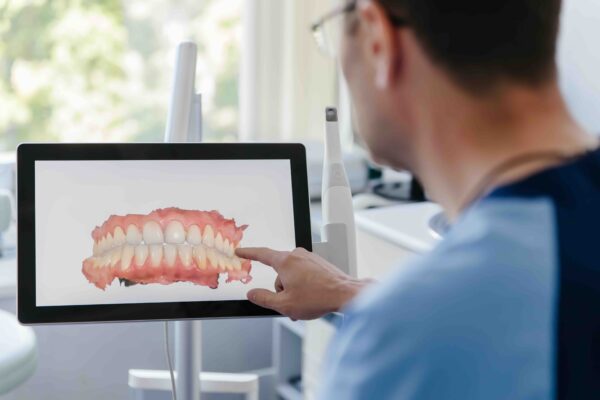
If you have been told you may need an evaluation for gum disease, the phrase can sound more serious than a standard dental checkup, and for good reason. A periodontal evaluation is more focused, more detailed, and more diagnostic. It is designed to answer a set of practical questions your routine cleaning cannot fully address: Are your gums inflamed because of temporary irritation, or is there active periodontal disease? Has bone support around the teeth been affected? Are certain teeth at higher risk than others? And what kind of Gum Disease Treatment would make sense for your specific condition?
https://blogfreely.net/hithimwjkk/how-smoking-affects-gum-disease-treatment-outcomesPatients often arrive expecting a quick glance at the gums and a recommendation for a deep cleaning. A proper periodontal evaluation is more thoughtful than that. It is part detective work, part measurement, and part risk assessment. The goal is not simply to confirm whether disease is present. It is to map where it is, how advanced it is, what is driving it, and whether the damage appears stable, active, or likely to progress.
That level of detail matters because gum disease does not behave the same way in every mouth. Two people can have similar amounts of plaque and very different outcomes. One may have mild bleeding and little attachment loss. Another may have deep pockets, loose teeth, and bone loss that seems out of proportion. A strong evaluation helps the clinician separate what is urgent from what is manageable and tailor treatment accordingly.
Why this appointment is different from a regular exam
A routine dental exam looks broadly at the teeth, restorations, bite, soft tissue, and signs of disease. A periodontal evaluation narrows in on the supporting structures around the teeth: the gums, ligament, roots, and surrounding bone. It tends to be more methodical because periodontal disease can hide in places that are not obvious in the mirror.
Many patients are surprised to learn that gum disease can progress with very little pain. Bleeding while brushing, chronic bad breath, gum tenderness, or slight recession may be the only clues. In some cases, the patient feels almost nothing until teeth begin to shift or food traps become hard to ignore. That is one reason the evaluation relies so heavily on objective findings rather than symptoms alone.
If your dentist or periodontist recommends this appointment, it usually means something in your history or exam deserves a closer look. That could include gums that bleed easily, buildup below the gumline, visible recession, suspicious X-ray changes, loose teeth, new spacing, past periodontal treatment, or medical risk factors such as diabetes or tobacco use. Pregnancy, certain medications, dry mouth, stress, and immune-related conditions can also influence what the provider is watching for.
The first part of the visit, health history and symptom review
A periodontal evaluation usually begins with conversation, not instruments. The provider or hygienist will review your medical history, medications, dental history, and any symptoms you have noticed. This step may seem routine, but it is clinically important because gum health is tied to the rest of the body more than many patients realize.
A few answers can change the interpretation of everything that follows. If you have uncontrolled diabetes, healing may be slower and inflammation can be more severe. If you smoke or vape nicotine, the gums may bleed less than expected even when disease is advanced, which can make the mouth look deceptively calm. If you take medications that cause gum overgrowth, blood pressure drugs or anti-seizure medications for example, pocket readings can reflect both inflammation and tissue enlargement. If you clench, grind, or have a history of bite trauma, mobility may have more than one cause.
Expect questions that get specific. Have you noticed bleeding when flossing or only when brushing? Is the bleeding new or longstanding? Do your teeth feel longer? Is food catching between teeth that used to fit tightly together? Has anyone in your family lost teeth from gum problems? Have you had scaling and root planing before, and if so, how long ago? A seasoned clinician listens for patterns, not just isolated complaints.
Measuring the gums, what probing really tells us
The most recognizable part of a periodontal evaluation is probing. A small calibrated instrument is gently placed between the tooth and gum at several points around each tooth. The depth of that space is measured in millimeters. These numbers help determine whether the gum attachment is healthy or whether a pocket has formed.
For many adults with healthy gums, shallow measurements are common. When the numbers increase, especially when paired with bleeding, recession, or bone loss on X-rays, concern rises. A deeper reading does not automatically mean severe disease, because swollen gums can sometimes create misleading depths. Still, repeated deeper measurements in certain patterns are often one of the clearest signs that active periodontal care is needed.
This is also where patients sometimes become anxious, especially if they have heard the term “pocketing” without understanding it. The pocket itself is not a foreign object or growth. It is the space that develops when supporting tissue pulls away from the tooth. Bacteria tend to thrive in those areas because they are harder to clean at home. The evaluation maps these sites tooth by tooth so the provider can see whether the disease is generalized throughout the mouth or concentrated in a few vulnerable areas.
The examiner usually notes whether the gums bleed during probing. That detail matters. Bleeding is one of the most reliable markers of inflammation. Pus, if present, is even more significant and usually indicates infection in an active site. The consistency of the tissue matters too. Firm, stippled gums suggest health. Red, shiny, swollen tissue suggests active inflammation.
Recession, attachment loss, and why pocket depth is only part of the story
A common misunderstanding is that gum disease severity can be judged by pocket depth alone. In reality, clinicians also look at recession and attachment loss. Recession is the movement of the gum margin down the root, which can make teeth appear longer and increase sensitivity. When recession is present, a moderately deep pocket may actually represent more significant support loss than the number first suggests.
Attachment loss is a more complete measure because it reflects where the tissue support sits compared with where it should ideally be. Two people may both have a 4 millimeter pocket, yet one may have minimal attachment loss while the other has much more because the gumline has receded. This is one reason a periodontal evaluation can feel more nuanced than patients expect. The same number does not always carry the same meaning in every mouth.
Experienced providers also pay attention to root anatomy, crowding, old dental work, and areas that trap plaque. A molar with a furcation involvement, where bone loss has affected the space between the roots, may need a different treatment plan than a front tooth with isolated recession. A poorly contoured crown that sits slightly under the gumline can contribute to chronic inflammation even in a patient who brushes well. Those details often explain why one area fails while another remains stable.
X-rays and the view below the gumline
You cannot fully evaluate periodontal disease by looking at the gums alone. X-rays provide the missing view of the supporting bone, tartar below the gumline, root shape, previous dental work, and patterns of breakdown that the eye cannot see.
In many cases, the provider will review recent radiographs or take updated ones if needed. Bitewings can help show bone levels between teeth. Periapical images reveal more of the root and surrounding bone. A panoramic image gives a wider overview, though it is generally less precise for fine periodontal detail. In select cases, especially where surgery or complex defects are involved, three-dimensional imaging may be recommended.
The key is not just whether bone loss exists, but how it looks. Horizontal bone loss, where support drops fairly evenly, tells a different story from angular or vertical defects, where support collapses more sharply near specific teeth. Bone loss that seems stable over many years may lead to one treatment approach. Signs that it is progressing can lead to another. The X-ray findings are always interpreted alongside the clinical measurements. One without the other can mislead.
Patients often ask whether bone grows back once lost. In most ordinary cases, the body does not simply restore it on its own. Some regenerative procedures can help in carefully selected sites, but not every defect is a candidate. This is exactly why the evaluation matters so much. It sorts routine inflammatory disease from the kinds of defects that may benefit from more advanced intervention.
Mobility, bite forces, and the feel of each tooth
Another part of a periodontal evaluation that patients do not always expect is checking mobility. The provider may gently test whether teeth move more than they should. Mild movement can occur for several reasons, including active periodontal loss, bite trauma, recent orthodontic movement, or inflammation. More advanced movement raises concern because it suggests the support system may be compromised.
The bite is often examined at the same visit. If certain teeth hit too hard or too early, that extra force can aggravate already weakened support. It does not cause plaque-related periodontal disease by itself, but it can worsen the effect of existing breakdown. In practical terms, that means treatment may need to address both infection and mechanical stress.
This is also when spacing changes or drifting become meaningful. A patient may mention, almost casually, that floss started slipping through a front contact that used to feel tight. That small observation can correlate with tooth movement from bone loss or inflammation. Providers learn to pay attention to those offhand comments because they often point to change that occurred between routine visits.
Plaque, tartar, and home care habits without judgment
A thorough periodontal evaluation includes an honest look at plaque control, but that should not be confused with blame. People often assume gum disease is simply a sign that someone does not brush. Real life is more complicated. Yes, bacterial buildup is central to periodontal disease, but anatomy, dexterity, genetics, smoking, medication effects, and systemic health all influence the outcome.
During the appointment, the clinician may note where plaque tends to accumulate, how much tartar is present, and whether there are areas you are missing consistently. Sometimes the reason is simple. A lower front retainer traps buildup. A crowded molar area is nearly impossible to floss effectively. A bridge or implant requires tools the patient was never shown how to use. Even highly motivated patients can struggle if the method does not match the anatomy.
The best evaluations treat this part as coaching rather than scolding. If home care is contributing to the problem, you should leave knowing exactly where the trouble spots are and what to do differently. That might involve changing your brushing angle, adding interdental brushes, using a water flosser, or adjusting frequency and technique. Small changes, used consistently, can make a measurable difference in inflammation before and after professional treatment.
How the diagnosis is determined
Once the measurements, X-rays, tissue appearance, and risk factors are reviewed together, the provider can make a diagnosis. This may be gingivitis, which is inflammation of the gums without attachment or bone loss, or periodontitis, which involves destruction of the supporting structures. From there, the provider usually characterizes the severity and extent.
The distinction matters because Gingivitis and periodontitis are treated differently and carry different long-term implications. Gingivitis is often reversible with improved home care and professional cleaning. Periodontitis can usually be controlled, often very successfully, but the lost support does not simply reset to normal. The objective becomes stopping progression, reducing inflammation, lowering pocket depths where possible, and preserving the teeth for the long term.
A diagnosis also reflects pace and complexity. Some mouths show mild disease spread across many teeth. Others show isolated but deep destruction around a few teeth that may have root grooves, old restorations, or anatomical defects. In younger patients especially, severe findings can prompt a more careful discussion about family history and systemic factors because the pattern may be unusually aggressive.
What the treatment conversation usually sounds like
After the evaluation, most patients want one practical answer: what happens next? The treatment discussion should be specific, not generic. It should explain what was found, which areas are affected, whether the disease appears active, and why the recommended plan fits those findings.
For many patients, the first phase of Gum Disease Treatment is non-surgical. That may include scaling and root planing, often called deep cleaning, to remove bacterial deposits and calculus from below the gumline. It is more involved than a routine cleaning because the goal is to detoxify root surfaces in diseased pockets, not just polish visible tooth surfaces. Depending on the extent of the disease, this can be done over one or more visits, with local anesthetic for comfort.
If pockets are especially deep or certain defects are present, the provider may discuss adjunctive therapies or referral to a periodontist. In some cases, surgery becomes the better option, particularly when deep pockets remain after non-surgical therapy, access is limited, or regenerative procedures may help preserve a tooth. On the other hand, not every deep site needs surgery immediately. Good clinicians balance what is ideal on paper with what is realistic, stable, and appropriate for the patient sitting in front of them.
You may also hear discussion of maintenance intervals. Once someone has had periodontitis, routine cleanings every six months are often not enough. Periodontal maintenance at shorter intervals, commonly every three to four months, can be critical for keeping the disease under control. This is not a sales tactic when it is recommended appropriately. It reflects the biology of a mouth that has already shown it can lose support more easily.
Will the evaluation hurt?
This is one of the most common concerns, and the honest answer is that it depends on the condition of the gums and your sensitivity level. A periodontal evaluation is usually tolerable, but inflamed tissues are more sensitive than healthy ones. Probing areas with active inflammation can feel sharp or sore. Recession can make exposed root surfaces tender. If there is heavy calculus or acute infection, even gentle pressure may be uncomfortable.
Still, most patients find the visit more manageable than they feared. The measurements themselves are brief. A careful provider works efficiently and explains what they are doing. If your gums are especially sensitive, it helps to say so early rather than trying to push through in silence. That gives the team a chance to slow down, use a gentler approach, or discuss comfort measures if treatment is being done the same day.
One practical point many patients appreciate afterward is that discomfort during an evaluation often reflects inflammation, not damage caused by the instrument. Gums that bleed or feel sore are usually showing the reason the exam was needed in the first place.
Questions worth asking during the appointment
A good periodontal evaluation should leave you with a clear picture of your condition, not just a set of numbers in a chart. If the explanation feels rushed or vague, ask for clarification. Most patients benefit from hearing the answer in plain language.
You might ask which teeth or areas are the main concern, whether bone loss is present, whether the disease appears stable or active, and what result the provider expects from initial treatment. It is also reasonable to ask how home care should change and how success will be measured at the re-evaluation. That last point is important. Periodontal care is not judged by whether the gums “look better” for a week. It is judged by reduced bleeding, improved tissue tone, shallower or more stable pockets, better plaque control, and lack of ongoing attachment loss over time.
What happens after the evaluation
The evaluation is the starting point, not the finish line. If treatment is recommended, there is usually a follow-up phase where the tissues are reassessed after healing. This re-evaluation is where the initial plan proves its value. Some areas respond beautifully to non-surgical therapy. Others remain stubborn because of anatomy, smoking, diabetes, or long-standing deep defects.
That second look is often where clinical judgment matters most. A patient may not need more treatment everywhere, only in a few persistent sites. Another may need referral for periodontal surgery around a molar while the rest of the mouth enters maintenance. Someone else may improve dramatically once home care and initial therapy are combined. Periodontal care is rarely one-size-fits-all, and a thoughtful evaluation sets up that decision-making process correctly.
For patients, the bigger takeaway is this: the appointment is meant to create clarity. It tells you where you stand now, what risks you are carrying, and what can realistically be done to protect your teeth. Done well, it is not just a diagnostic ritual. It is the roadmap that makes Gum Disease Treatment targeted, defensible, and far more likely to succeed over the long term.
When people understand what the evaluation is measuring and why it matters, the visit becomes less intimidating. You are not being put through a mysterious procedure. Your provider is gathering the information needed to preserve the foundation under your teeth. That foundation often changes quietly, and once significant support is lost, there is less margin for neglect or guesswork. A careful periodontal evaluation helps replace uncertainty with a plan, which is usually the most reassuring outcome a patient can leave with.
Dental Group Of Beverly Hills
Address: 8641 Wilshire Blvd #125, Beverly Hills, CA 90211
Phone number: +13109296335
FAQ About Gum Disease Treatment
How to improve gum health quickly?
To improve gum health quickly, eliminate plaque buildup by brushing for two full minutes twice a day at a 45-degree angle to the gumline. Floss daily to clean under the gumline, and rinse with an antimicrobial, alcohol-free mouthwash. For immediate relief of soreness, use a warm saltwater rinse.
What is the fastest way to cure gum disease?
To quickly cure early-stage gum disease (gingivitis), eliminate the plaque buildup causing the inflammation. Brush gently but thoroughly for two minutes twice daily, floss daily, and use an antibacterial mouthwash or a warm saltwater rinse. However, if tartar has hardened, professional treatment is necessary.
How do I treat my gum disease at home?
You can treat early gum disease at home by practicing strict daily oral hygiene, rinsing with salt water or antibacterial mouthwash, and quitting smoking. True gum disease (especially advanced forms like periodontitis) cannot be fully cured at home once tartar forms, and you must see a dentist for professional cleanings.